 Smart Play APK
Smart Play APK
Smart Play APK
Android devices include tools to manage storage space automatically. These tools scan for files that seem unnecessary and remove them to free up room. Features like cache clearing and storage cleanup target temporary data that apps create during use. This process helps keep the device running smoothly over time.
Smart Play Lite APK stores temporary files such as cached media segments, thumbnails, and downloaded previews to improve loading times. When Android storage cleanup runs, it can delete these files if they meet certain criteria for removal. As a result, the app loses access to saved content and must re-download or rebuild it during the next session.
This behavior appears more often on devices with low available storage or when automatic cleanup is enabled. Users may notice longer loading times or missing offline previews after the system performs maintenance.
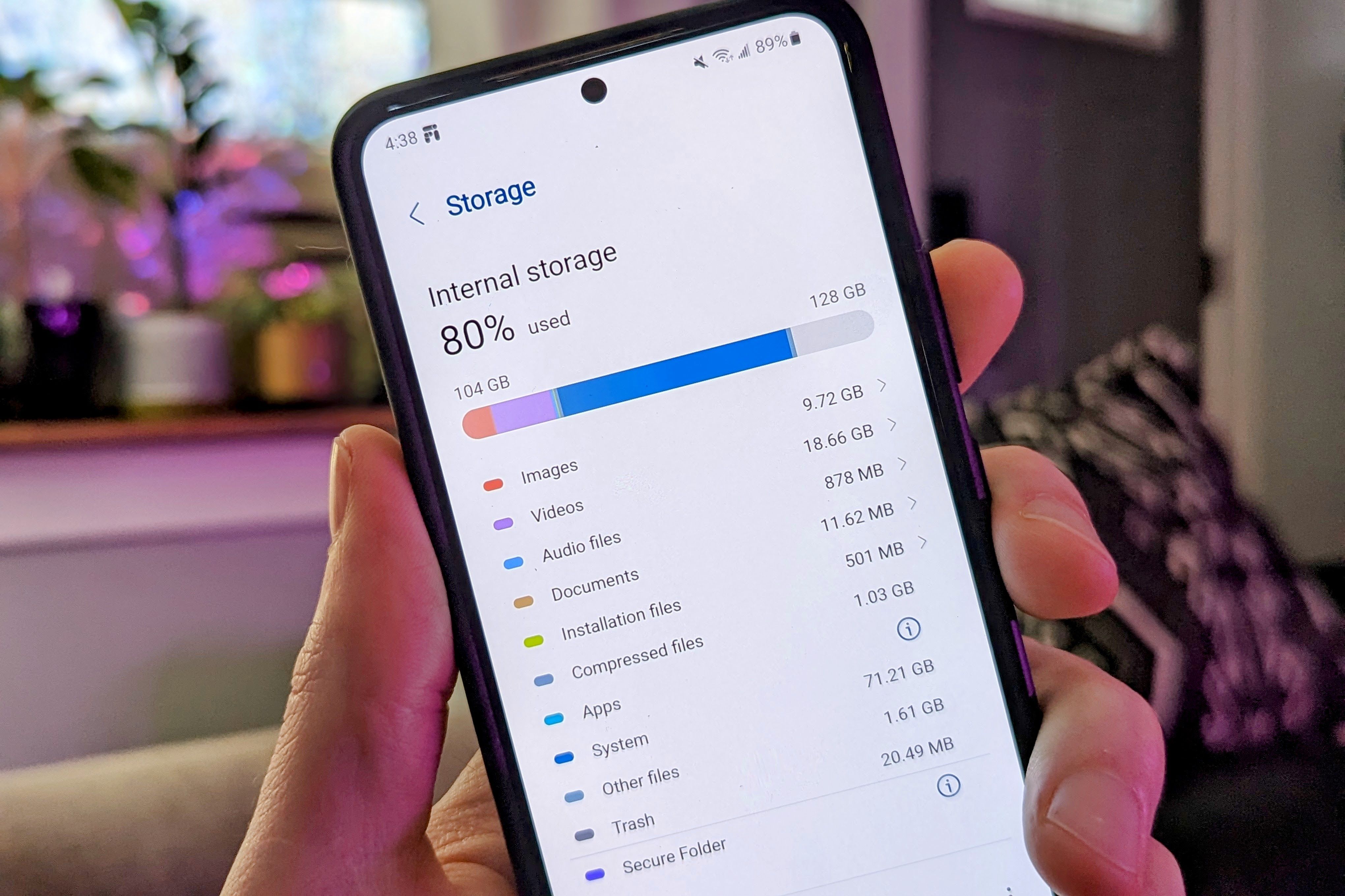
Android provides built-in storage management through settings and periodic scans. The system identifies cache files, temporary downloads, and unused app data as candidates for deletion. Features such as Free up space or Storage manager automate this task to prevent the device from filling up.
Apps store cache in designated directories that the system considers safe to clear. These locations hold non-essential data that can be recreated if needed. When cleanup occurs, the app must regenerate the content, which takes time and data.
Manufacturers sometimes enhance these tools with more aggressive cleaning rules. This varies by device brand and Android version.
Cached content in media apps includes video previews, audio snippets, and metadata files. Android views these as temporary because they can be fetched again from the source. Storage cleanup tools prioritize such files when space is needed.
If the cache grows large from frequent streaming or long sessions, it becomes a target for removal. After deletion, Smart Play Lite APK cannot use the saved data and starts fresh. This leads to repeated downloads and slower performance on subsequent uses.
The process happens without warning in most cases. Users see the effects when trying to access previously viewed content.
Smart Play Lite APK relies on cached files for quick access to recent or favorite media. When Android removes these during cleanup, the app loses its offline-ready content. Features like quick resume or preview thumbnails stop working until new cache builds up.
Apps like Smart Play Lite APK follow standard Android storage practices. They use cache directories that the system can clear safely. The result is reliable playback in the short term but potential loss of saved data over longer periods.
This issue stands out on devices that run frequent cleanups or have limited internal storage.
A user watches several videos in the app over a week. The system then runs storage cleanup due to low space. Next time the app opens, thumbnails are missing and videos take longer to start as cache rebuilds from scratch.
Signs include sudden loss of cached thumbnails or previews after a device restart or storage notification. The app works normally at first but shows delays later. Checking storage details reveals recent cache reductions for the app.
Data usage may increase because the app re-downloads content it previously cached. No error messages appear, only a return to initial loading behavior.
This pattern repeats when storage remains low or automatic tools stay active.
Adjust storage settings to limit automatic cache clearing. Some devices allow turning off smart cleanup or setting thresholds for when it runs. Clearing cache manually for other apps can free space without affecting the media player.
Move non-essential files to external storage if supported. This keeps internal space available and reduces cleanup triggers. Monitoring available storage helps anticipate when the system might act.
These changes decrease the frequency of cache deletion for the app. Cached content then persists longer between uses.
After adjustments, use the app for several days and observe cache behavior. If previews and segments remain available longer, the changes reduced cleanup interference.
App hibernation removes data for unused apps after extended periods. Adaptive storage compresses files or moves them to cloud backups. Scoped storage in newer versions limits app access to certain directories.
These features interact with general cleanup and can affect cache persistence. Disabling unused options helps isolate the main cause. Updates sometimes modify how storage tools operate.
Reviewing app permissions and storage usage provides more control over what gets preserved.
Keeping some free space reduces the need for aggressive cleanup. This allows cached content in media apps to last longer without interruption. Balancing storage use across apps prevents frequent deletions for any single one.
Regular checks of storage settings keep configurations effective after system updates. Different apps handle cache differently, so effects vary based on how they store temporary files.
Understanding these storage mechanisms supports consistent app performance while maintaining overall device health. For apps on other platforms, considerations like ios access limitations introduce different challenges in file handling and persistence.